
What school readiness really means is often misunderstood by preschool families, especially when they are trying to make the best early education choice for their child. Many parents assume readiness is only about academics, such as knowing letters and numbers or how to sit still for long periods.
In reality, school readiness is much broader and includes social, emotional, behavioral, and communication skills that help children succeed in a classroom setting. When families focus too heavily on the wrong signs, they may overlook the qualities that matter most in a preschool environment. Understanding these common assumptions can lead to more informed, confident decisions.
Preschool Readiness Misconceptions Parents Often Believe
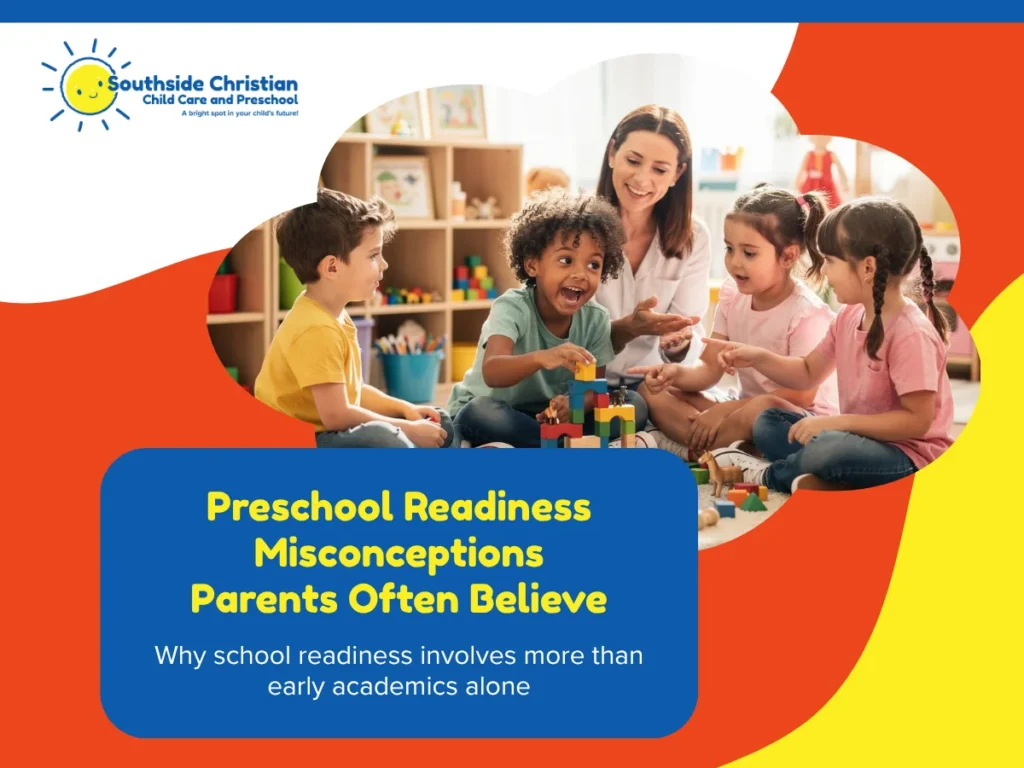
Many families want to make the best possible preschool decision, but common misunderstandings can make that process more difficult. One of the most common preschool readiness misconceptions parents believe is a small set of academic skills alone can measure that readiness. In reality, preschool readiness is broader and includes how a child communicates, follows routines, handles emotions, and interacts with others in a learning environment.
Readiness Is Not Just About Early Academics
Some parents assume a child is preschool-ready only if they already know letters, numbers, colors, or shapes. While early academic exposure can be helpful, it is only one part of the picture. A child may recite the alphabet and still need support with transitions, listening, or participating in group activities.
Preschool readiness often includes:
- Following simple directions
- Managing short separations from parents
- Participating in routines
- Showing interest in learning and social interaction
Independence Does Not Have to Look Perfect
Another misconception is that children must be fully independent before starting preschool. Parents may worry that needing reminders, reassurance, or help with simple tasks means a child is not ready. In most cases, preschool is one of the places where these skills are developed. Readiness does not mean perfection. It means a child is beginning to build the foundation for growth in a supportive setting.
Every Child Develops at a Different Pace
Parents may also compare their child to siblings, friends, or online checklists without considering individual development. Readiness is not always based solely on age, and children do not all progress in the same way or at the same speed. A thoughtful preschool program recognizes these differences and helps children grow through encouragement, structure, and age-appropriate expectations.
Choosing Preschool With the Wrong Expectations
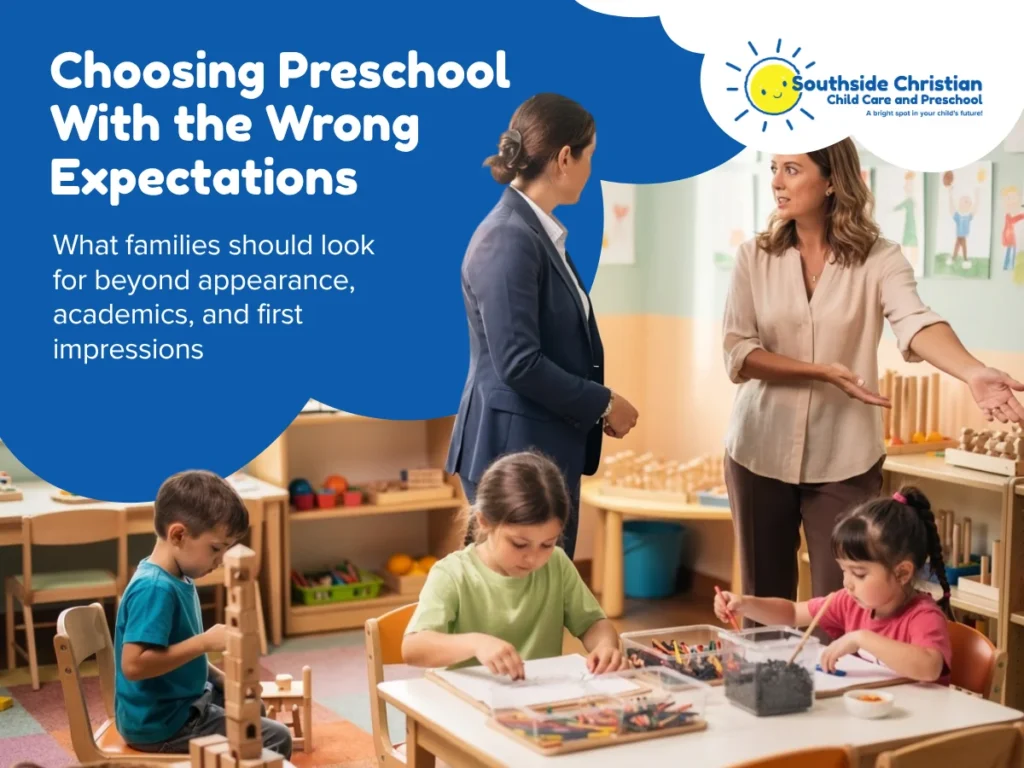
Choosing a preschool can feel like an important and emotional decision, which is why expectations matter so much. When families focus on the wrong indicators, they may choose a program that looks impressive on the surface but does not truly support their child’s development. A strong preschool experience should help children grow academically, socially, emotionally, and behaviorally in ways that are appropriate for their age.
Looking for Academic Performance Too Soon
One common mistake is expecting preschool to function like an early elementary classroom. Some parents look for heavy worksheets, strict desk time, or advanced academic drills as proof of quality. While early learning is important, preschool should not be measured only by how quickly a child memorizes facts.
At this stage, meaningful learning often happens through:
- Guided play
- Hands-on exploration
- Group interaction
- Language-rich routines
These experiences help children build the foundation for future learning without placing pressure on skills before they are developmentally appropriate.
Assuming Structure Means Less Warmth
Another misunderstanding is the idea that the best preschool must be either highly structured or highly nurturing, but not both. In reality, young children benefit from environments that combine clear routines with caring relationships. A classroom can support expectations while still being warm, patient, and responsive to children’s needs.
Healthy structure often includes:
- Predictable daily schedules
- Clear classroom expectations
- Gentle transitions
- Supportive teacher guidance
Overlooking the Child’s Everyday Experience
Families can sometimes focus so much on appearances, materials, or promises of advanced learning that they miss what daily life actually feels like for a child. The right program should help children feel safe, included, encouraged, and known. Those qualities often have a lasting impact on confidence, behavior, and readiness for future school settings.
When choosing preschool with the wrong expectations, families may unintentionally prioritize image over fit. Looking beyond surface-level impressions can lead to a more thoughtful decision, one that supports the whole child and creates a stronger start to the early learning journey.
Kindergarten Readiness Myths That Can Mislead Families
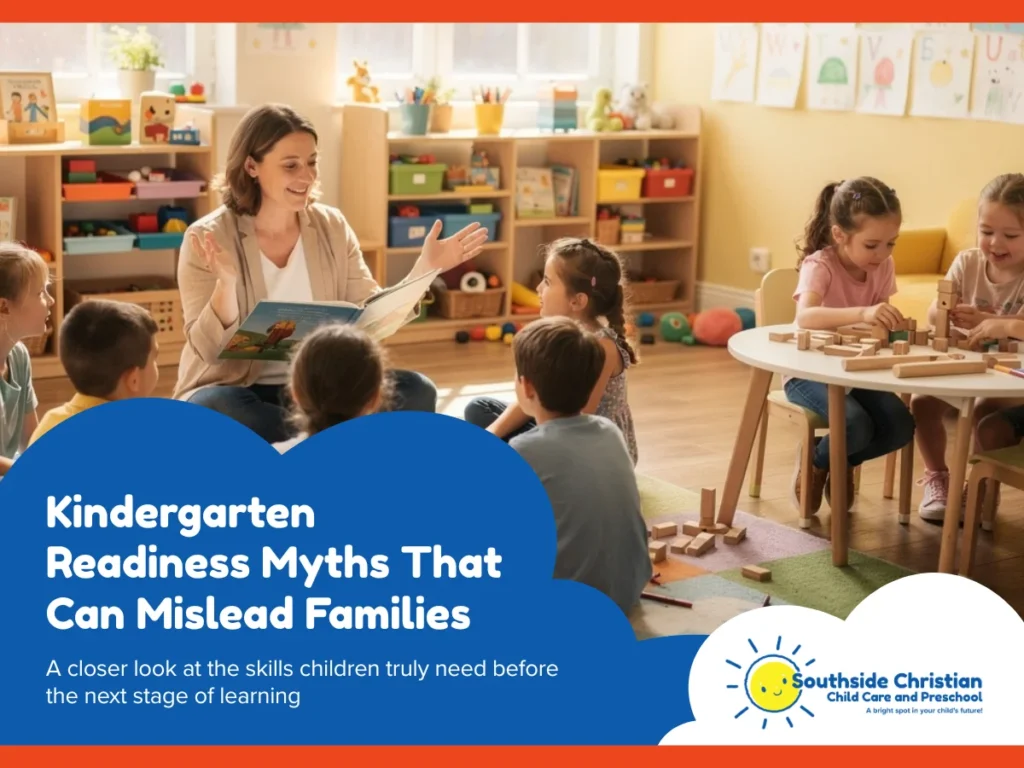
Many parents want their child to enter kindergarten with confidence, but common assumptions can create unnecessary pressure and lead to the wrong preschool priorities. Some kindergarten readiness myths suggest that children need to master advanced academic skills before they are truly prepared. In reality, readiness is a broader picture that includes social development, emotional regulation, communication, independence, and the ability to participate in a structured classroom environment.
Myth 1: Readiness Means Reading Before Kindergarten
One of the most common misunderstandings is the belief that a child must already be reading to be ready for kindergarten. Early literacy matters, but readiness is not defined solely by advanced academic performance. Children benefit more from strong pre-reading foundations, such as:
- Listening and following simple directions
- Recognizing sounds, letters, and patterns
- Enjoying books and language-rich activities
- Expressing ideas clearly
These early skills support later reading growth in a more developmentally appropriate way.
Myth 2: Sitting Still for Long Periods Is the Main Goal
Families sometimes assume that a kindergarten-ready child should be able to sit quietly for extended periods without difficulty. While attention and self-control are important, young children are still learning how to manage movement, transitions, and focus. Preschool readiness is often better seen in a child’s ability to participate in routines, respond to guidance, and re-engage after redirection.
Myth 3: Academic Speed Matters More Than Social Readiness
Another myth is that children who move quickly through academic tasks are automatically the most prepared. In truth, social and emotional skills often play an equally important role in classroom success. A child who can take turns, handle frustration, ask for help, and work cooperatively is often better positioned to thrive.
When families better understand kindergarten readiness, they can make preschool choices based on long-term development rather than pressure or comparison. That perspective often leads to a healthier, more supportive start for the child.
The Social and Emotional Signs Parents Should Not Overlook
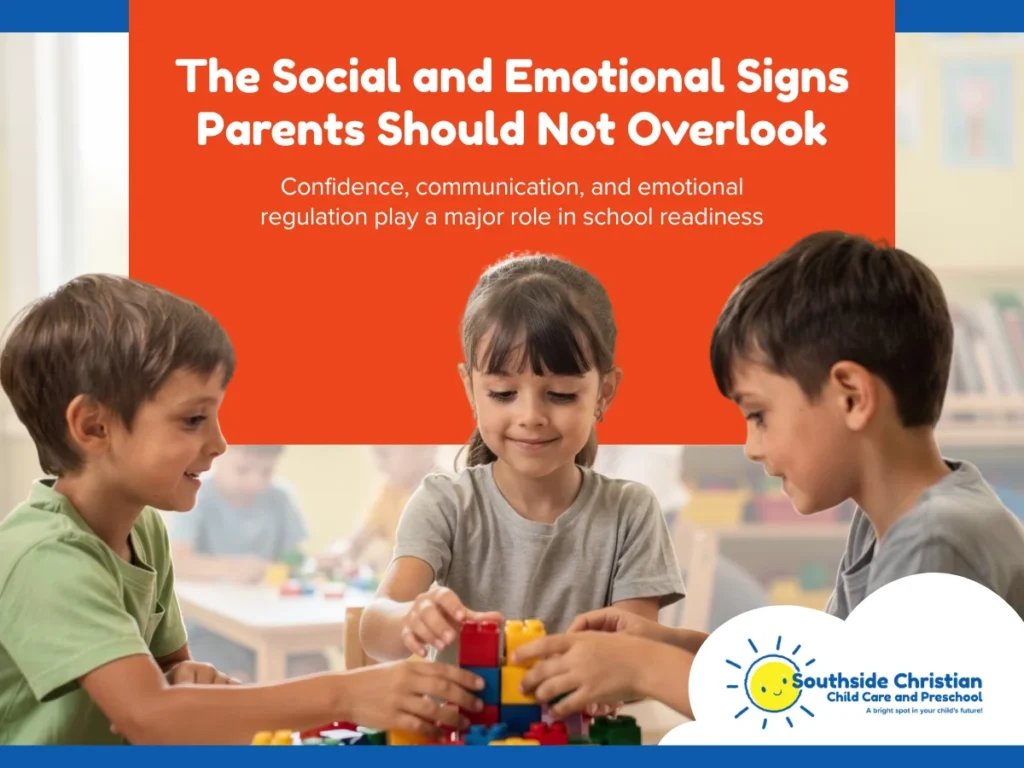
When parents think about school readiness, social and emotional development is sometimes treated as secondary to academic skills. In reality, these areas often shape how well a child adjusts to classroom life, responds to guidance, and builds relationships with others. A child does not need to handle every situation perfectly, but several meaningful signs show growing readiness for a group learning environment.
Comfort With Routines and Transitions
One important sign is a child’s ability to move through simple routines with support. This may include joining group time, cleaning up after activities, or transitioning from one part of the day to another without extreme distress. Preschool settings help strengthen these skills, but early signs of flexibility can make the adjustment smoother.
Helpful indicators may include:
- Following simple directions
- Moving between activities with reassurance
- Responding to familiar routines
- Recovering after a minor disappointment
Early Relationship and Communication Skills
Children also show readiness through their connections with others. They may not always share easily or express themselves clearly. Still, they often begin to show interest in playing with near peers, asking for help, listening to adults, and using words to communicate their needs. These early interactions matter because classroom success depends heavily on cooperation, trust, and communication.
Managing Feelings in Age-Appropriate Ways
Emotional readiness does not mean a child never cries, becomes frustrated, or needs comfort. It means the child is beginning to develop the tools to work through those feelings with guidance. A preschool environment can help children build self-regulation, but parents should pay attention to whether their child is starting to:
- Accept redirection
- Express emotions with words or gestures
- Calm down after support
- Show growing patience over time
When families look beyond academics and notice these social and emotional signs, they often gain a clearer picture of what readiness truly means. These skills support not only classroom adjustment, but also long-term confidence, relationships, and healthy learning habits.
Conclusion
Understanding what school readiness really means, preschool families should consider that it can lead to far better early education decisions. Readiness is not defined solely by advanced academics. It also includes a child’s ability to build relationships, follow routines, manage emotions, and grow within a supportive learning environment. When parents move beyond common assumptions and focus on the full picture of development, they are more likely to choose a preschool setting that supports both immediate success and long-term growth. A thoughtful preschool experience can help children build confidence, strengthen character, and develop the skills they need to thrive in kindergarten and beyond.
Explore a preschool environment that supports the whole child. Visit https://southsidechristianchildcare.com/contact/ or call (502) 244-2929 to connect with Southside Christian Childcare.