
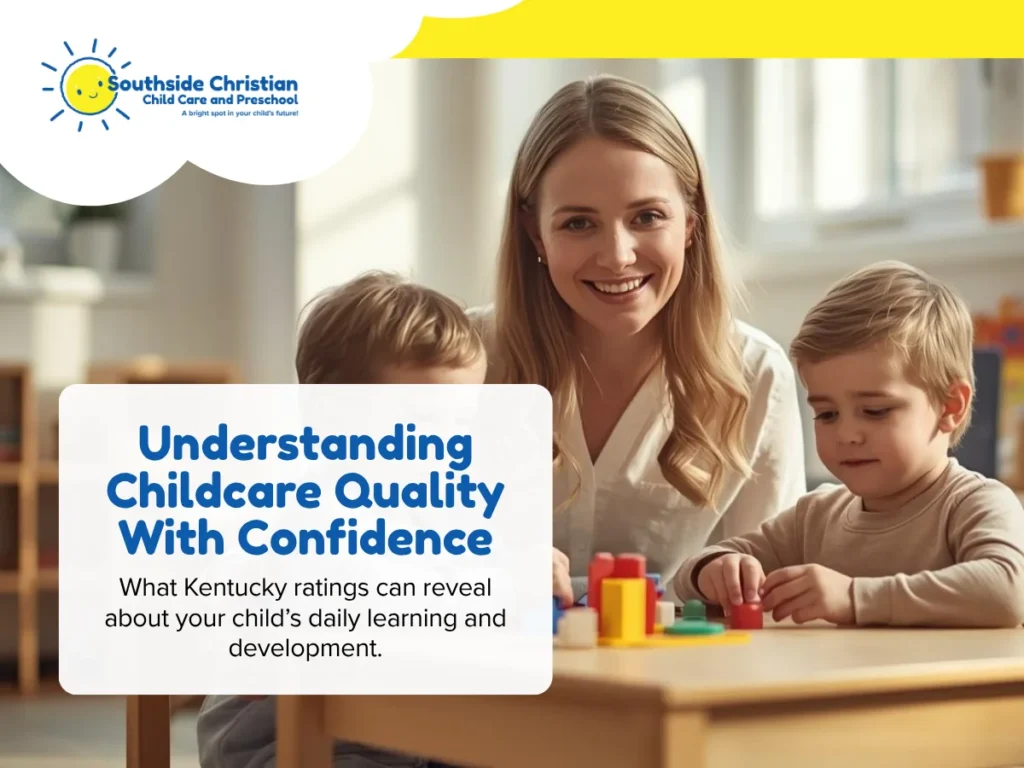
Kentucky All-Stars rating explained for parents begins with understanding how these quality systems reflect the care, learning environment, and support your child receives each day. Programs with Kentucky All STARS and Paths to QUALITY ratings are evaluated on important factors such as teacher training, curriculum, family communication, and health and safety practices.
For parents, these ratings offer a clearer way to compare early learning programs and feel more confident in their decision. More importantly, they highlight the elements that help children build confidence, strengthen social skills, and develop a strong foundation for future learning.
How Paths to Quality Kentucky Childcare Programs Support Daily Learning
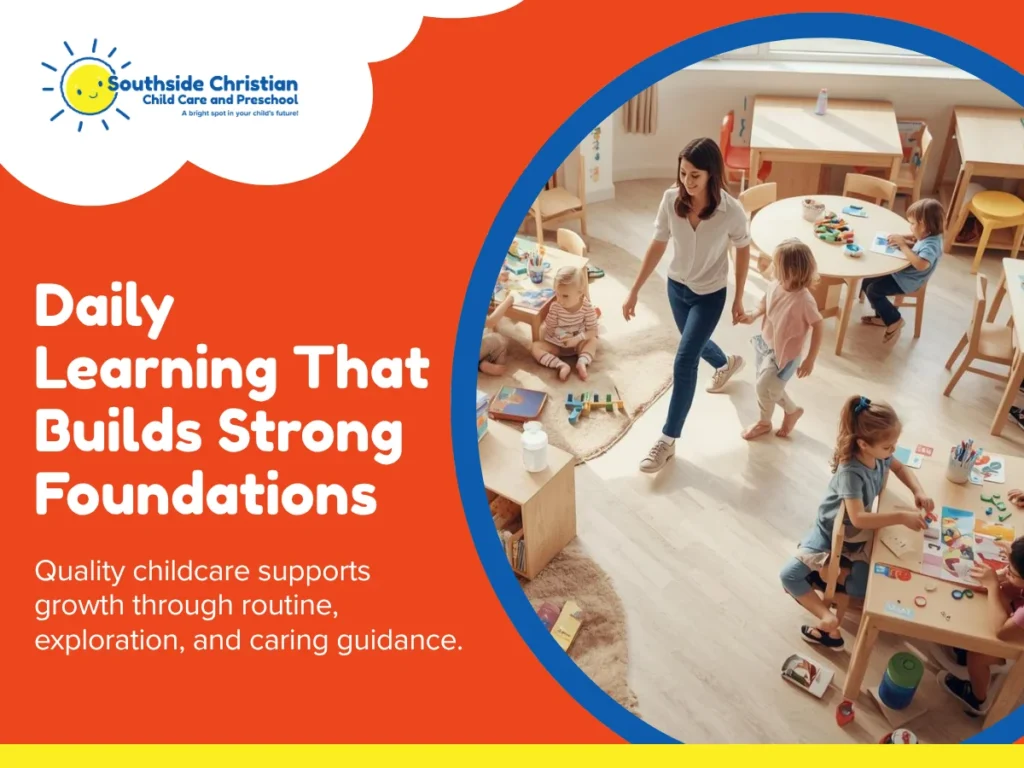
High-quality early learning is built through the small, meaningful experiences children have each day. In Paths to Quality Kentucky childcare programs, daily learning is supported by clear routines, intentional teaching, and age-appropriate activities that help children grow academically, socially, and emotionally. Rather than focusing only on supervision, these programs are designed to create an environment where children can learn through guidance, exploration, and consistent support.
Structured Routines That Build Confidence
A well-planned daily schedule helps children feel secure and ready to learn. Predictable routines for arrival, meals, learning centers, rest, and transitions give children a sense of stability. This structure also supports important developmental skills, including:
- independence
- self-regulation
- time awareness
- confidence in new situations
When children know what to expect, they are better able to participate, engage, and build positive habits.
Intentional Activities That Encourage Growth
Strong childcare programs do more than fill the day with activities. They choose experiences that support development in specific ways. Daily learning may include:
- language and early literacy activities
- hands-on math and problem-solving experiences
- creative play and art
- movement and motor skill development
- social interaction and teamwork
These experiences help children practice communication, curiosity, focus, and cooperation in ways that feel natural and engaging.
Supportive Teachers and Meaningful Interaction
Daily learning is strengthened by teachers who understand child development and respond with care. Encouraging conversations, thoughtful questions, and gentle guidance all help children make connections and build confidence. In quality programs, teachers are not only present. They are actively involved in helping children learn from everyday moments.
When families consider childcare quality, it is important to remember that daily learning happens through routine, relationships, and purposeful experiences that involve working together. That consistent support can make a lasting difference in a child’s early development.
Understanding the Quality Rating System in Louisville and What It Measures
When families begin comparing childcare options, the quality rating system in Louisville can provide helpful insight into how a program supports children well. Rather than focusing on a single detail, these rating systems consider several aspects of a program that influence a child’s daily experience, development, and readiness for future learning.
What the Rating System Often Evaluates
A quality rating system is designed to look beyond basic licensing. It helps parents understand how a program performs in areas that matter most, such as:
- teacher qualifications and ongoing training
- classroom environment and learning materials
- health and safety practices
- family communication and engagement
- curriculum planning and child development support
These categories work together to give a fuller picture of program quality.
Why These Measurements Matter for Children
Each part of the rating process connects to a child’s everyday growth. Well-trained teachers are better equipped to support emotional development, language skills, and problem-solving. Safe and organized classrooms help children feel secure enough to explore and learn. Strong family communication creates consistency between home and school, which can support confidence and smoother developmental progress.
Looking Beyond the Number or Rating Level
While a rating can be a useful starting point, parents benefit most when they understand what it measures. A program’s quality is reflected in the daily details, including how teachers interact with children, how routines are managed, and how learning is encouraged throughout the day.
For families in Louisville, the rating system can serve as a practical guide during the decision-making process. It helps parents ask better questions, compare programs more thoughtfully, and focus on the features that truly shape a child’s early learning experience. When viewed this way, the rating system becomes more than a label. It becomes a tool for choosing care with greater clarity and confidence.
Why Early Childhood Education Standards in Kentucky Matter for School Readiness
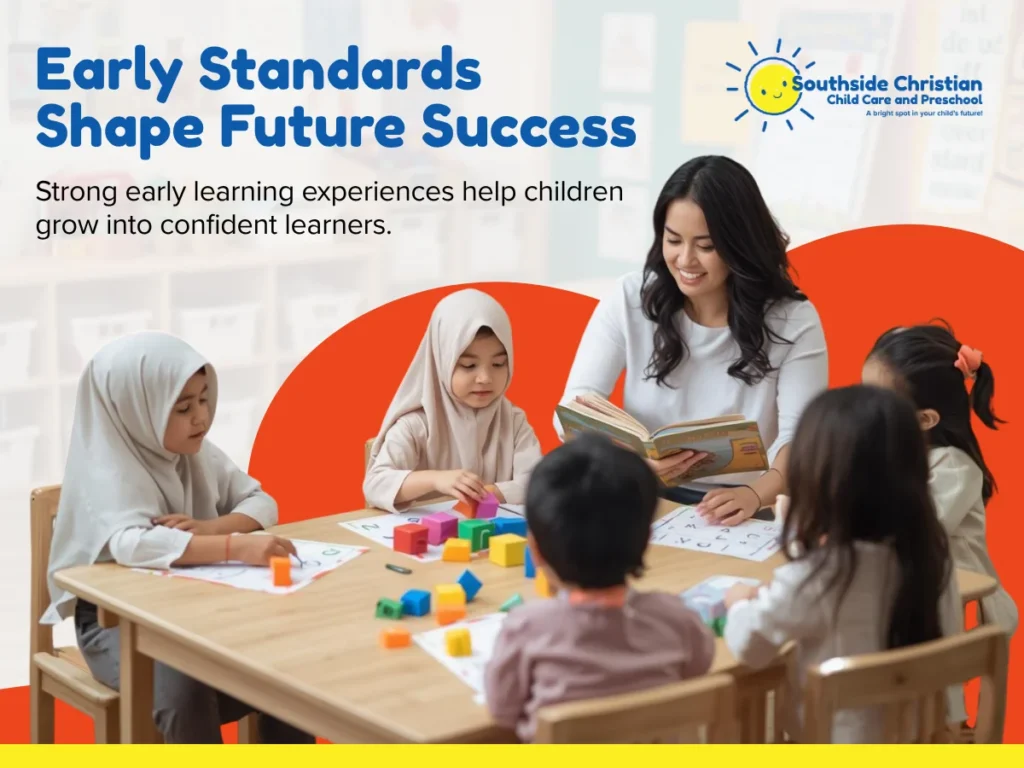
Strong early childhood education standards in Kentucky help shape the experiences that prepare children for success before they enter kindergarten. These standards give early learning programs a clear framework for supporting growth across key developmental areas, helping children build the skills they need in a structured, age-appropriate way. For parents, this means greater confidence that learning is not left to chance, but guided with purpose and care.
Building Foundational Skills Before Kindergarten
School readiness is about much more than knowing letters and numbers. Children benefit most when early learning standards support development in several areas at once, including:
- language and communication
- early math and problem-solving
- social and emotional growth
- physical coordination
- attention, listening, and routine-following
When these skills are strengthened together, children are better prepared to adjust to a classroom setting and participate with confidence.
Creating Consistency in Early Learning
Standards also help create consistency across early childhood programs. While every center may have its own teaching style and daily rhythm, shared expectations help ensure children are being supported in meaningful ways. This consistency matters because it encourages balanced development rather than focusing too heavily on one area while overlooking another.
For example, a child may be learning how to express feelings, follow simple directions, hold a pencil, take turns, and solve basic problems all within the same day. These moments may seem small, but together they build readiness for future learning.
Helping Children Grow With Confidence
Children thrive when learning environments are intentional, supportive, and developmentally appropriate. Early childhood standards help teachers plan experiences that align with a child’s stage of development rather than placing unrealistic academic pressure on them too soon.
For families, this matters because school readiness begins long before the first day of kindergarten. It grows through consistent support, nurturing guidance, and learning opportunities that strengthen the whole child. When early childhood education is built on strong standards, children are better prepared not only to enter school but to feel confident, capable, and ready to grow.
How Staff Training and Classroom Practices Affect Child Development
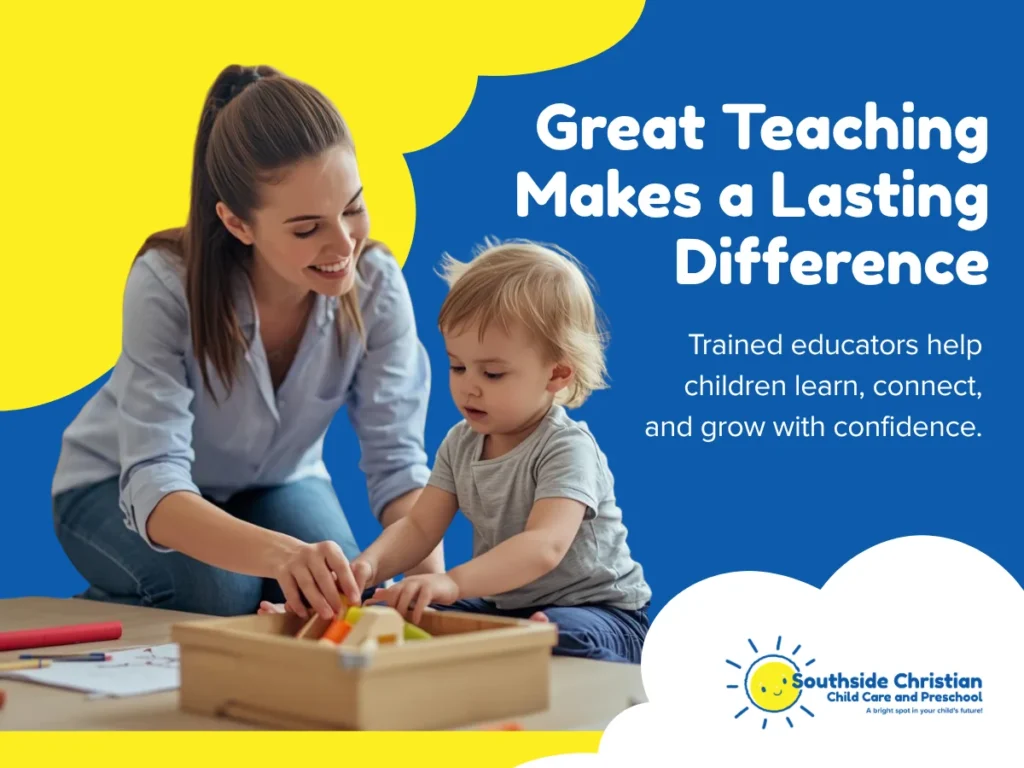
The quality of a child’s early learning experience is shaped not only by the classroom itself but also by the knowledge, preparation, and consistency of the adults who lead it. Staff training and thoughtful classroom practices play a direct role in how children learn, interact, and respond to the world around them. When educators understand child development and intentionally apply that knowledge, children benefit from stronger support throughout the day.
Why Ongoing Staff Training Matters
Early childhood professionals do far more than supervise children. They guide learning, model behavior, support emotional regulation, and respond to developmental needs in real time. Ongoing training helps staff strengthen skills in areas such as:
- child development and age-appropriate expectations
- classroom management and positive guidance
- language development and early literacy support
- health, safety, and daily care routines
- social and emotional learning
This kind of preparation helps teachers respond with greater confidence, patience, and consistency.
How Classroom Practices Shape Daily Growth
Strong classroom practices bring that training to life. Children thrive when teachers create environments that are organized, engaging, and responsive. Daily practices that support development often include:
- clear routines and smooth transitions
- hands-on learning experiences
- encouragement of problem-solving and independence
- respectful communication and active listening
- opportunities for group interaction and cooperative play
These practices help children feel secure while building skills that support both learning and behavior.
The Long-Term Value for Children
When trained staff use intentional classroom practices, children gain more than academic exposure. They develop trust, confidence, communication skills, and the ability to manage emotions healthily. They also receive guidance that supports curiosity, persistence, and positive peer relationships.
For parents, this is an important reminder that everyday interactions influence child development. A well-prepared teacher and a thoughtfully managed classroom can make a meaningful difference in how children learn, adapt, and grow. Over time, that consistent support helps build a strong foundation for future success in school and beyond.
Conclusion
Understanding quality ratings can help parents look beyond a label and focus on what truly supports a child’s growth. From daily routines and classroom practices to staff preparation and broader learning standards, each part of a quality program contributes to a stronger early childhood experience. When families understand what these systems are measuring, they are better equipped to choose care that supports development, confidence, and school readiness in meaningful ways.
To learn more about Southside Christian Childcare and connect with their team, visit https://southsidechristianchildcare.com/contact/ or call (502) 244-2929.